Pro Tips for Boss Painting Automotive Rides!
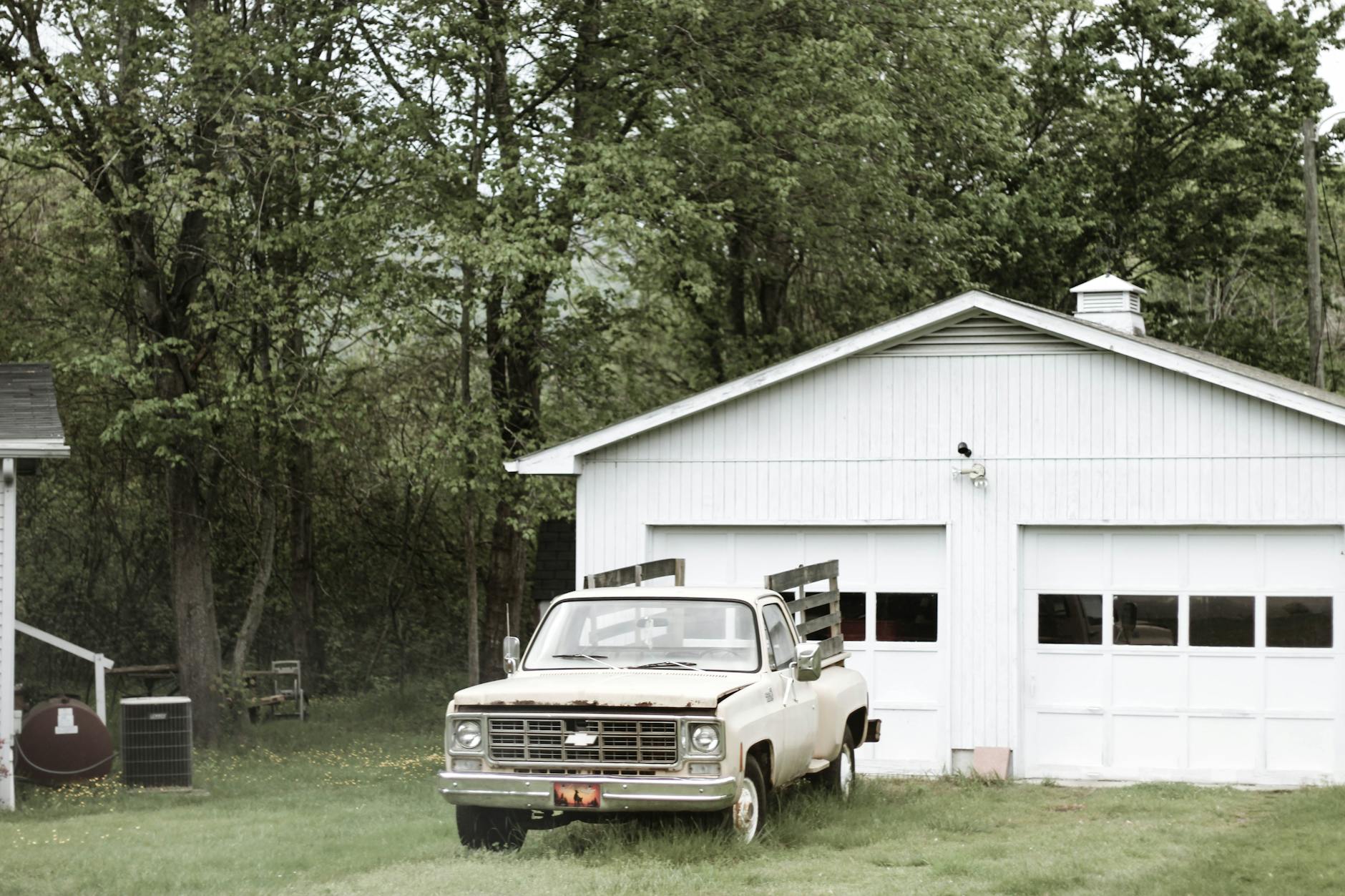
Automotive painting is an art that requires precision, patience, and a knack for color. Whether you're a seasoned professional or a DIY enthusiast looking to give your car a fresh coat, the right techniques can make all the difference. Let's dive into some pro tips that will help you master auto painting and achieve vibrant, lasting results that will transform any ride like a boss.
Preparation is Key
A. Clean Thoroughly
Before anything else, make sure the surface of your car is immaculately clean. Paint won't adhere properly to a dirty surface, so use a high-quality, wax-free soap to remove any dirt, grease, and old wax. After washing, wipe the surface down with a solvent-based cleaner to remove any remaining contaminants.
B. Sand for Success
To ensure that new paint sticks and stays, you'll need to sand the car's surface. Begin with a coarse abrasive to remove the old paint and primer, then work your way up to a finer grit for smoothing. Finish with a very fine sandpaper to create a surface that will help the primer adhere properly, being cautious not to sand through to bare metal or plastic.
Choose the Right Products
A. High-Quality Primer
A good primer serves as the foundation of your paint job. Use a high-quality primer that's compatible with the type of paint you’re using. Apply it in thin, even coats, allowing each layer to dry thoroughly before applying the next.
B. Top-Notch Paint
When selecting paint, don't skimp on quality. High-end automotive paints provide better coverage, depth, and longevity. They're also more resistant to fading and chipping. Whether you opt for single-stage paint, basecoat-clearcoat systems, or specialty coatings, ensure you're using the best you can afford.
Application Techniques
A. Use the Right Equipment
Invest in a high-quality HVLP (High Volume Low Pressure) spray gun to apply paint and primer. HVLP spray guns are efficient and reduce overspray, which minimizes waste and helps you achieve a smooth, professional finish.
B. Maintain a Consistent Motion
Keep the spray gun at a consistent distance from the surface (usually around 6-8 inches), and keep it moving in smooth, horizontal strokes. Overlap each pass by about 50% to ensure even coverage. Regularly check the gun’s fluid and air settings as per the manufacturer’s instructions, to maintain a consistent spray pattern.
Control Your Environment
A. Dust-Free Workspace
Ensure your painting area is as clean and dust-free as possible. Tiny particles can ruin a paint job, so consider using a paint booth or an enclosed space that you can control for dust and debris.
B. Right Temperature and Humidity
Painting in proper temperature and humidity levels is crucial. The ideal temperature for painting is around 70°F with a humidity level below 50%. This helps the paint to dry consistently and prevents defects.
Finishing Touches
A. Wet Sand and Buff
Once the paint has fully cured, wet sand it with very fine sandpaper to remove any imperfections. Progress to even finer grit until the surface is completely smooth. Follow this with a buffing compound to bring out a high gloss shine.
B. Protect with a Clear Coat
A clear coat not only adds depth and gloss to your paint but also protects it from UV rays, scratches, and contaminants. Apply multiple thin, even coats and allow proper curing time.
Safety First
A. Personal Protective Equipment (PPE)
Always wear appropriate PPE such as a respirator mask, gloves, and protective clothing. Ensuring a well-ventilated environment is also crucial when working with paint fumes.
Following these pro tips will set you on the path to painting automotive rides with the confidence and skill of an expert. With practice, patience, and attention to detail, you'll achieve flawless finishes that stand the test of time. Happy painting!